How to Travel with Restrictions Due to Monkeypox
When traveling overseas, the last thing you want to encounter is an outbreak of a deadly disease. Many of these can now be avoided due to vaccines being available. However, not everyone has access to the vaccines, which causes the diseases to be able to spread.
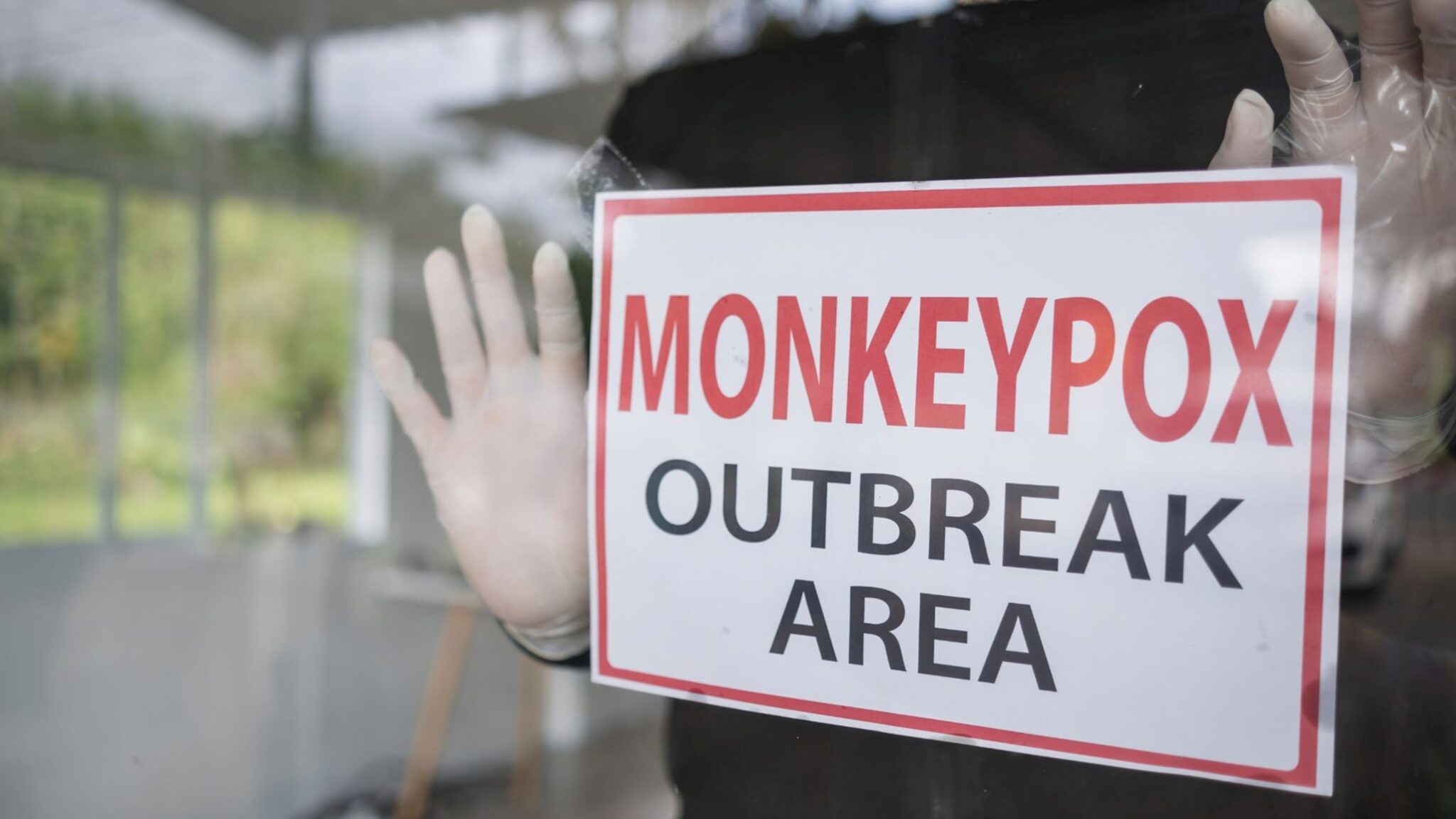
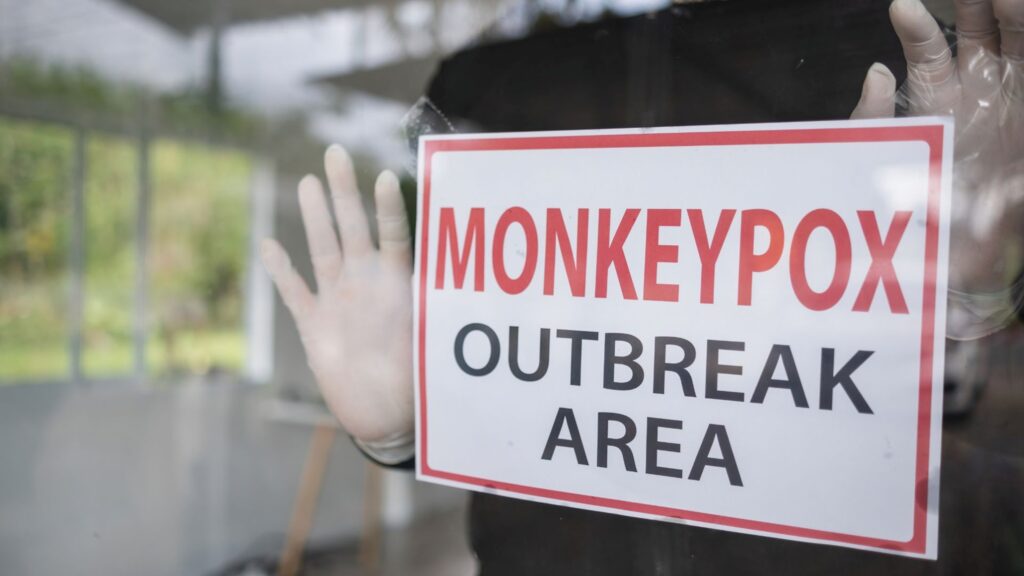
Some outbreaks, for example monkeypox, can cause travel restrictions. One of the recent outbreaks relates to monkeypox, which is similar to smallpox.
People traveling to underdeveloped nations need to be aware of the risks involved. There may be certain precautions to take to avoid potentially becoming gravely ill. This includes when traveling to many parts of Africa.
Before leaving your home country, make sure to watch the news and consult your doctor. One of the most recent outbreaks is related to monkeypox.
Is it an emerging epidemic once again? Are there any travel restrictions due to monkeypox?
Read the article below to get some of the most recent updates. This will help you be prepared for any international travel plans in 2026.

What is Monkeypox?
The Monkeypox virus is an infectious disease that causes flu-like symptoms (like fever, chills, fatigue, and a headache) and a rash. It comes from the same family as smallpox. The sickness can last for two to four weeks, depending on the severity.
The disease likely spread initially from animals to humans. It can also spread quickly from one person to another through skin-to-skin contact or bodily fluids. Monkeypox is considered a rare disease, typically found in western and central Africa where it predominates.
In general, people seldom die from Monkeypox, but it has happened. However, it is especially dangerous for children. It has been known to be fatal in up to 10% of cases similar to pneumonic plague.

Recent Monkeypox Outbreaks
New outbreaks of moneypox have occurred in several areas around the world. This includes the United States, Europe, Asia, and Africa. In the first part of 2025, over 21,000 cases were confirmed in Africa alone. The Democratic Republic of Congo, Liberia, Kenya, Uganda, Sierra Leone and Malawi appear to be at the epicenter.
Another reason to be concerned is that there appears to be a new strand of the disease going around, called the clade Ib. New variants usually spread quickly and can make it difficult to control. Doctors at the Center for Disease Control are seeking the source of the disease. (Often these diseases, like ebola, can “hide” for a number of years before popping back up again in new outbreaks in other areas).
The good news is, none of the outbreaks are serious enough at this point to warrant any travel restrictions or bans in any country. You can check the CDC’s Travel Health Notices for the latest information.
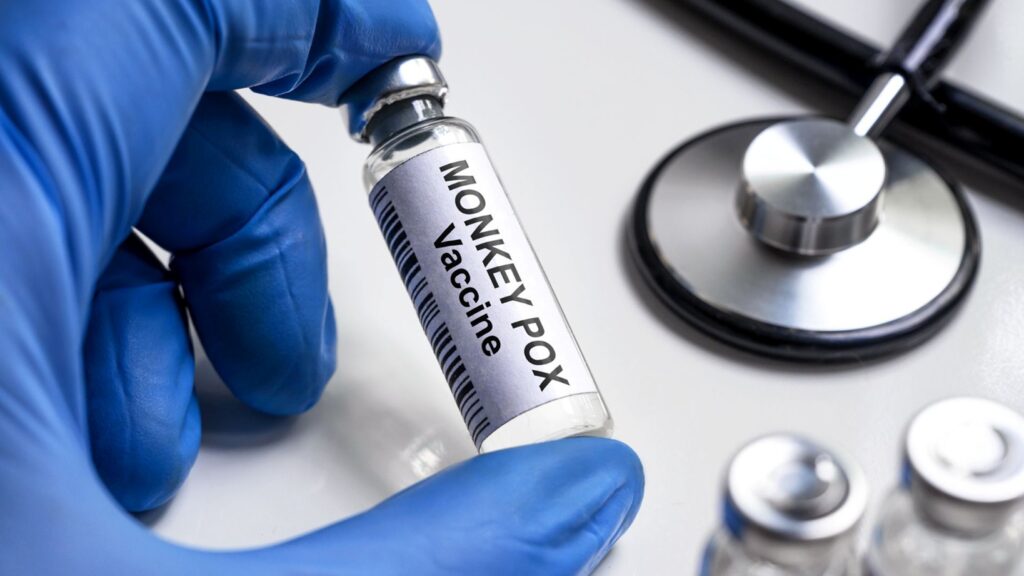
Tips To Avoid Catching Monkeypox
Since monkeypox does not yet have a cure (unlike smallpox which it is related to), experts recommend doing everything you can to prevent getting the disease. Here are a few tips.
- If possible, avoid traveling to eastern and central Africa until the disease is better under control.
- Stay away from rodents and other animals that might carry the disease. This includes not eating wild game or bushmeat. You never know which animals might be infected, so it’s best to be extra cautious.
- Be careful to avoid sick and infected persons if traveling or moving to central or western Africa. If you are intending to travel to infected regions of Africa to work directly in patient care, please be extra careful. (Don’t forget to put restrictions on your travel if you are showing symptoms of monkeypox.)
- Talk to your doctor about possible smallpox inoculation/vaccination which also seems to work for monkeypox. The primary vaccine against monkeypox is the non-replicating Modified Vaccinia Ankara vaccine, known as JYNNEOS in the United States, Imvanex in Europe and Imvamune in Canada.
- Purchase international travel health insurance before your trip. Good Neighbor Insurance offers many different plans that will protect you in case you happen to get sick from monkeypox or a different disease. If you plan to move overseas, we also offer long-term health insurance plans that will provide the coverage you need.

Get Your Free Travel Guide!
One good thing is that vaccinated travelers to monkeypox outbreak areas are at a very low risk of possible infection. Other viruses and germs are a much greater risk.
We recommend you download the free Travel Medical Guide from Good Neighbor Insurance (if you haven’t already done so) to get other great travel advice. Another good resource is the most recent Yellow Book offered free by the CDC. Consider also the excellent resources referred to at the back of the Travel Medical Guide for further information.
We all want to believe that our travel plans will go smoothly, but unfortunately, that is not always the case. Accidents happen (and no one can predict an emergency). Our travel experts can help you select the right plan, including plans with special rates for those volunteering abroad. Contact us at 480-813-9100 to get your free quote.
Enjoy your travels and stay safe!